Redefining the construction industry with innovative solutions, cuttin-edge technology and sustainable practices
Redefining the construction industry with innovative solutions, cuttin-edge technology and sustainable practices


Scaffolding is an essential part of any construction project, providing workers with access to elevated areas safely and efficiently. However, scaffolding-related accidents remain one of the leading causes of workplace injuries in construction. These accidents often occur due to improper assembly, poor maintenance, or lack of safety awareness. To ensure a secure work environment, it’s crucial to follow proper safety procedures.
Here are some essential safety tips for working on scaffolding structures that every worker, contractor, and scaffolding company should follow.
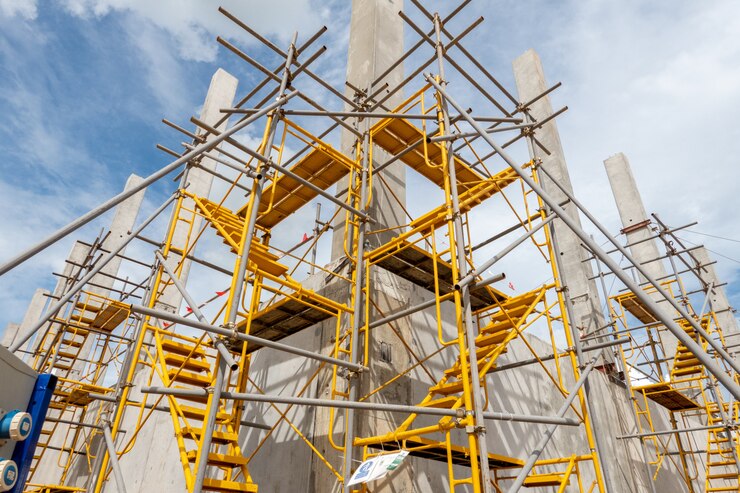
The foundation of scaffolding safety begins with quality materials. Whether you’re using aluminium scaffolding, mobile scaffolding, or cuplock scaffolding, ensure that the components are sourced from a reliable scaffolding manufacturer. Inspect all materials for cracks, corrosion, or deformities before use. Damaged parts can compromise the structure’s stability, increasing the risk of collapse or injury. Using certified scaffolding systems from a trusted supplier or rental service ensures durability and compliance with safety standards.
Scaffolding must be erected under the supervision of trained and competent personnel. Each component should be assembled according to the manufacturer’s guidelines and industry safety norms. After installation, conduct a thorough inspection before allowing workers to climb.
Routine inspections should also be done daily or after adverse weather conditions. Checking joints, couplers, and platforms helps prevent potential hazards. If your site uses mobile scaffolding towers, ensure that wheels are locked when the structure is in use and that it stands on a flat, stable surface.
Guardrails, mid-rails, and toe boards are essential safety features that prevent workers and tools from falling. They must be securely fixed on all open sides and ends of the scaffolding platform. Many accidents occur when workers lose balance or trip near edges. Installing proper guardrails not only provides protection but also ensures compliance with construction safety regulations.
Every scaffolding structure has a defined load capacity. Overloading can lead to collapse or deformation of the platform. Always distribute weight evenly and avoid stacking excessive materials in one place. Consider the combined weight of workers, tools, and materials when determining the total load. It’s always safer to err on the side of caution rather than risk structural failure.
Even the best scaffolding system can be unsafe if workers are not properly trained. All personnel working on scaffolding should receive comprehensive training on safe practices, load limits, and emergency procedures.
Wearing appropriate personal protective equipment (PPE) is equally important. Helmets, non-slip footwear, gloves, and harnesses can significantly reduce injury risks. Workers using bridge scaffolding or suspended platforms must use full-body harnesses attached to secure lifelines.
A cluttered scaffolding platform can cause tripping hazards and accidents. Keep tools and materials organized and avoid unnecessary clutter. Ensure that access ladders or scaffolding ladders are firmly secured and free from obstructions.
Regular cleaning of platforms also prevents the accumulation of dust, oil, or water, which could make the surface slippery and dangerous.
Weather plays a major role in scaffolding safety. High winds, heavy rain, or lightning can make working on scaffolds extremely risky. Avoid working during storms or strong winds, and secure tarps or materials to prevent them from being blown away.
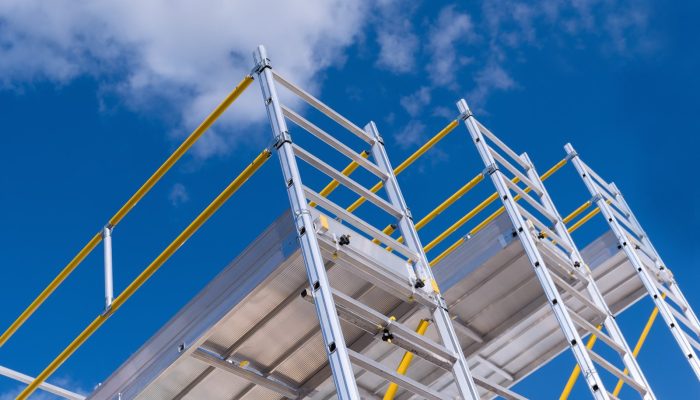
For aluminium scaffolding, which is lightweight, extra caution is needed during windy conditions to ensure the structure remains stable and anchored properly.
Maintenance is key to scaffolding longevity and safety. Schedule periodic inspections and repairs to keep the system in top condition. Maintain records of inspections, repairs, and training sessions — this helps demonstrate compliance with safety regulations and prevents future mishaps.
Scaffolding safety should never be taken lightly. By using certified equipment, conducting regular inspections, and enforcing strict safety measures, construction sites can minimize the risk of accidents and injuries.
Whether you are using mobile scaffolding, aluminium scaffolding towers, or cuplock systems, partnering with a reputable scaffolding company ensures your equipment meets industry standards. Safety begins with the right scaffolding — and the right practices.

Raising Standards, Raising Structures. Top Aluminium Scaffolding Sale and Rental services across PAN India.
Copyright 2025 – All Rights Reserved By www.fatehscaffoldings.com